


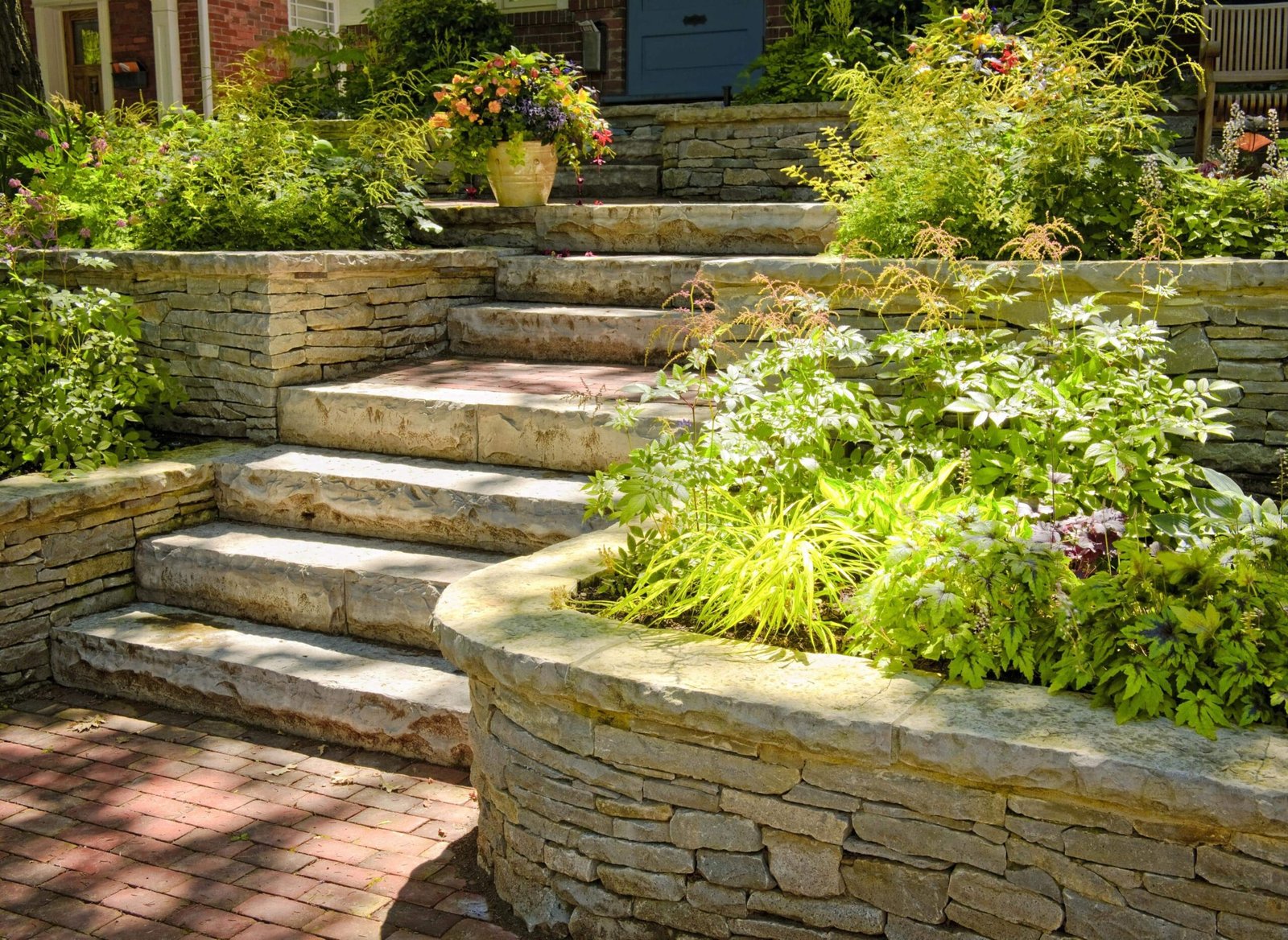




Creating a beautiful, low-maintenance garden involves selecting the right balance between greenery and durable, easy-to-care-for landscaping materials. Hardscaping—a garden design technique that incorporates non-plant elements like stones, pavers, and wood—can significantly reduce the time and effort required for garden upkeep while adding visual appeal, functionality, and structure to your outdoor space. Here, we’ll share our top hardscaping tips for crafting a garden that is both stunning and simple to maintain.
Why Hardscaping is Ideal for Low-Maintenance Gardens
A primary reason homeowners turn to hardscaping for low-maintenance gardening is that hardscape elements require far less care than traditional plants. While greenery requires regular watering, pruning, fertilizing, and pest control, materials like stone, concrete, and wood are durable and weather-resistant, demanding little upkeep. By integrating these materials strategically, hardscaping reduces the garden’s dependence on water and other resources while enhancing the area’s beauty and usability.
Choosing the Right Hardscaping Materials
Selecting hardscape materials is crucial for a successful low-maintenance garden. Here are some considerations to guide your choices.
Stone and Gravel for Easy Elegance
Stone and gravel are among the most popular materials in hardscaping due to their natural beauty and minimal upkeep. Gravel paths or stone paver patios provide texture and charm, creating a rustic, polished look. Using gravel or crushed stone as ground cover reduces the need for lawn mowing and minimizes weeds. For a cohesive appearance, choose stones that complement the colors and style of your home. Natural stones, like slate and granite, are durable and weather well over time.
Pavers for Versatility and Durability
Pavers are versatile, durable, and available in various shapes, colors, and textures. Paved areas are perfect for walkways, patios, and seating areas, offering long-lasting surfaces that are easy to clean. They can also act as weed barriers, eliminating the need for frequent weeding. Consider using permeable pavers that allow rainwater to pass through, which helps prevent erosion and reduces stormwater runoff.
Concrete for Modern Appeal
Concrete is an excellent choice for homeowners looking for sleek, modern garden aesthetics. It is highly durable, low-cost, and can be customized with stamps, stains, or exposed aggregate for a unique look. Concrete pathways and patios provide a clean and organized look, requiring only occasional sealing or power washing to keep them looking pristine. Opt for darker shades of concrete, which resist staining and discoloration over time.
Designing Functional Hardscape Features
Once the right materials are selected, consider how each hardscape element will serve a purpose in your garden.
Create Defined Paths and Walkways
Defined pathways guide the flow of movement and help prevent foot traffic from damaging delicate plants. Stone or paver paths require little maintenance and provide structure to garden layouts. Winding paths create a sense of depth and exploration, while straight paths can emphasize symmetry and order. Gravel paths offer a cost-effective solution, and adding a weed barrier beneath prevents unwanted growth.
Incorporate Raised Beds and Planters
Raised beds and planters are a valuable addition to any low-maintenance garden. Constructing raised beds with materials like brick, wood, or stone can minimize weed growth and improve soil drainage, which reduces watering frequency. Raised beds allow for easy access, making planting and maintenance less labor-intensive. Additionally, grouping plants with similar care needs in raised beds simplifies garden upkeep.
Build an Inviting Patio or Seating Area
A patio or seating area enhances your garden’s usability and provides a perfect spot to relax and entertain guests. Patios built with pavers, bricks, or stones require minimal upkeep and are easy to clean. Adding furniture made of weather-resistant materials, like metal or treated wood, further reduces maintenance needs. For added ambiance, consider incorporating an outdoor fire pit or lighting, which requires little care but adds warmth and usability during evenings.
Construct Retaining Walls to Manage Slopes
If your garden is on uneven terrain, retaining walls can add both functionality and beauty. Retaining walls made of stone, brick, or concrete prevent soil erosion, manage water runoff, and create level planting areas. They also add dimension to the garden and can double as seating areas. Ensure that retaining walls are designed with proper drainage to avoid water buildup, which can damage the structure over time.
Low-Maintenance Plant Pairings
While hardscaping minimizes maintenance, a few well-chosen plants can soften hardscape elements and add natural beauty to the garden.
Select Drought-Tolerant Plants
Drought-resistant plants, such as succulents, lavender, and ornamental grasses, thrive in low-water environments and are resilient to various weather conditions. Pairing these plants with hardscaped areas creates a harmonious look while keeping watering to a minimum. Grouping drought-tolerant plants together further simplifies watering and reduces maintenance.
Use Ground Covers to Reduce Weeds
Ground covers like creeping thyme, clover, and moss create lush green surfaces that help suppress weeds. They work well with stone paths, gravel beds, and pavers, adding a natural, cohesive feel to the garden. Ground covers are particularly useful for filling gaps between pavers or around retaining walls, preventing weed growth in hard-to-reach places.
Opt for Low-Maintenance Shrubs and Evergreens
Evergreens, such as boxwoods, junipers, and holly, maintain their foliage year-round and require minimal pruning. Placing evergreens strategically within your hardscape layout adds visual interest and provides structure throughout the year. Low-maintenance shrubs, like spirea or barberry, offer seasonal color without the need for constant care. These plants complement hardscaping by softening edges and adding greenery without demanding high levels of attention.
Adding Water-Saving Features
Water conservation is a primary goal in low-maintenance gardens. Integrating water-saving features into your hardscape design keeps water use low while supporting plant health.
Install a Drip Irrigation System
A drip irrigation system is a time-saving, efficient method for watering plants. This system directs water to the base of plants, reducing evaporation and runoff. Incorporating a timer allows the system to operate automatically, minimizing the need for manual watering. Drip irrigation systems work well with raised beds, planters, and shrub borders, delivering water precisely where it’s needed.
Include Rainwater Harvesting Systems
Collecting rainwater reduces reliance on tap water for garden irrigation. Installing a rain barrel near downspouts allows you to capture and store rainwater for later use. This water can be used to irrigate drought-tolerant plants and shrubs without increasing water bills. Rainwater harvesting is an eco-friendly solution that complements hardscaping by supporting a low-maintenance, sustainable garden design.
Maintaining Your Hardscape Garden
Though hardscaping significantly reduces upkeep, occasional maintenance ensures your garden stays attractive and functional.
Regularly Sweep and Clean Hardscape Surfaces
Regular cleaning keeps hardscape surfaces looking fresh and prevents moss and algae buildup. Paved patios, concrete paths, and stone areas benefit from occasional sweeping, power washing, or scrubbing with mild soap and water. Remove fallen leaves and debris promptly, as they can stain surfaces or encourage weed growth.
Seal and Protect Wooden Elements
If you’ve used wood for garden elements like decks, fences, or pergolas, applying a sealant protects the wood from moisture and pests. Sealed wood surfaces last longer and require less upkeep, making them a great choice for low-maintenance gardens. Check wooden structures annually for signs of wear, such as splintering or discoloration, and reapply sealant as needed to extend their lifespan.
Weed Control for Pathways and Gaps
While hardscaping minimizes weeding, some plants may still grow between pavers or in gravel areas. Applying a pre-emergent weed barrier beneath pathways and using occasional herbicides (or natural alternatives like vinegar) can keep weeds at bay. Pulling stray weeds promptly prevents them from spreading and keeps the garden neat.
FAQ
Hardscaping refers to the use of non-living materials in outdoor design, such as stone, concrete, wood, and metal, to create pathways, patios, walls, and other structures. Unlike landscaping, which focuses on plants, grass, and soil, hardscaping forms the structural elements of a garden and requires minimal upkeep. By incorporating hardscaping, you reduce maintenance, create visual interest, and add functionality to your outdoor space, making it easier to care for in the long term.
Hardscaping is ideal for low-maintenance gardens because materials like stone, pavers, and concrete require little attention compared to plants, which need regular watering, pruning, and fertilizing. By replacing grass or flower beds with hardscape elements, you reduce the need for mowing, weeding, and seasonal planting. Additionally, hardscaping helps with water management by incorporating features like permeable pavers or gravel areas, which reduce runoff and make your garden more sustainable.
Some of the best materials for low-maintenance hardscaping include stone, gravel, concrete, and pavers. These materials are durable, weather-resistant, and require little cleaning or sealing. Stone and gravel create a natural look that blends well with plants, while concrete and pavers are available in various colors and textures to fit any design. For a modern feel, consider concrete; for a rustic look, go with natural stones or gravel. Using high-quality, weather-resistant materials ensures longevity and reduces the need for frequent repairs or replacements.
To create an eco-friendly hardscape, consider using permeable materials like permeable pavers, which allow rainwater to pass through and reduce stormwater runoff. You can also incorporate rainwater harvesting systems, such as rain barrels, to collect water for irrigating nearby plants. Drip irrigation systems help conserve water and deliver moisture directly to plants’ roots, reducing waste. Choosing sustainable or recycled materials, like reclaimed wood or repurposed stone, can further reduce the environmental impact of your hardscape design.
Yes, but hardscaped areas require significantly less maintenance than traditional landscaping. Occasional cleaning, such as sweeping or power washing, helps keep surfaces like concrete and pavers looking their best. For wooden elements, periodic sealing will protect against moisture and pests. Gravel and stone areas may need occasional weeding, but a weed barrier underneath helps minimize growth. Overall, a well-installed hardscape requires only minimal care to stay attractive and functional for years.
Conclusion
Transforming your outdoor space with low-maintenance hardscaping is an investment in both beauty and ease. By carefully choosing durable materials, incorporating functional features, and using water-wise designs, you can create a garden that is as simple to care for as it is stunning.
At Sunset Nursery & Landscape, we’re here to help you bring your vision to life with expert hardscaping solutions tailored to your needs. Call us now at (720) 673-2046 to schedule a consultation and start designing the perfect low-maintenance garden today!